



Tracking the Evolution of the Chevy Trax’s First and Second Generations
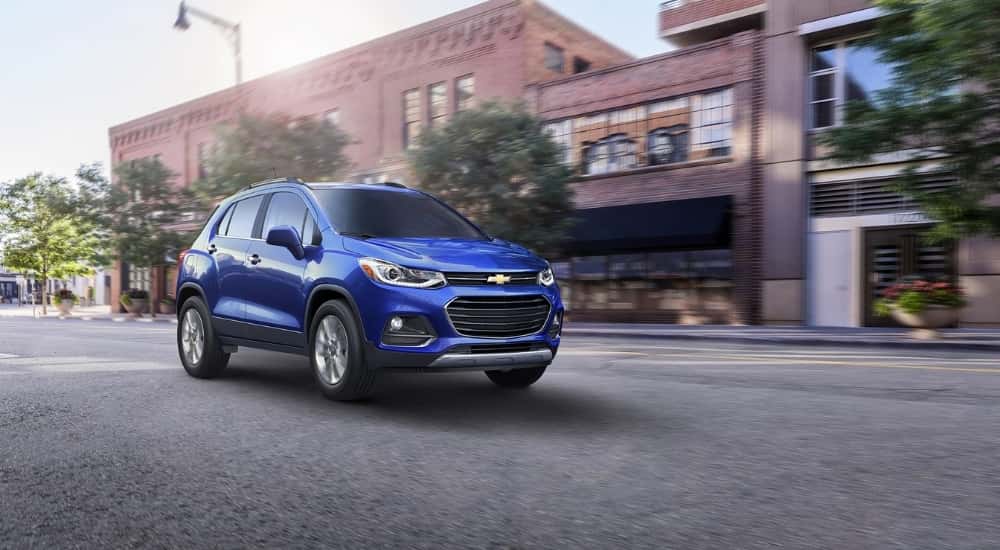
The Trax was originally introduced for two reasons. First, it filled a subcompact-sized hole in the Chevy lineup and allowed the brand to better compete with a new generation of spritely crossovers that had quickly become one of the market’s more popular options. Chevy was also encouraged by the success of the Buick Encore, another GM subcompact that enjoyed surprisingly strong sales ever since it was introduced in 2013.
The decision paid off with the Trax steadily rising through the ranks to become the country’s bestselling subcompact crossover. While the Trax offers an impressive mix of style, substance and interior space, it’s the SUV’s unbeatable value that really seals the deal.
The newest model is affordably priced, but those seeking an even better deal on a Chevy Trax for sale in Fort Worth can always opt for a pre-owned first-generation model. There was actually a brief gap between the first- and second-generation Trax, with Chevy skipping over the 2023 model as it prepared for the launch of the newest version in 2024.
Still, no matter which model you choose, you can ride with confidence knowing that you’ve landed one of the best values on the modern market. So what are the major differences between the first- and second-generation Chevy Trax, and how has the SUV managed to find so much success in the subcompact segment? Ride along as we answer all of those questions and more.
How Do the Generations Differ in Design?
The Trax experienced a satisfying growth spurt between its first and second generations, gaining a longer, wider body that makes the crossover an increasingly practical option for those seeking a roomier option in the subcompact segment. Chevy embraced a new platform for the updated model, swapping out the Gamma design that it had shared with the discontinued Sonic sedan with the new VSS-F platform that underpins the brand’s other subcompact crossover in the Trailblazer.
Differences in Size
The second-gen Trax also shot up by 10 inches in length and around two inches in width, while the SUV’s wheelbase was extended by nearly six inches. Just how significant are these changes? Well, they were almost drastic enough to convince Chevy to market the second-gen Trax as an entirely new model, though the brand ultimately decided to leverage the SUV’s name recognition rather than minting a new badge.
The new dimensions have allowed the Trax to up its road presence, but it’s the effect on interior space that really makes the new model such an enticing option in the subcompact segment. Both the first- and second-gen Trax can seat five passengers, but the newer version can do so a lot more comfortably. Those riding in the second row gain three inches of legroom, along with almost two inches of shoulder room, while front seat passengers will enjoy an extra inch of leg, shoulder, and hip room.
Cargo Volume
This makes the Trax a more viable choice for those looking to accommodate adults in the second row, and also has a huge impact on the subcompact’s cargo space. The newer Trax offers 37% more cargo room than its predecessor, outshining the first-gen model with 25.6 cu.ft. of rear storage as compared to 18.7 cu.ft. Fold down the second row of seating, and that number grows to 54.1 cu.ft., which is also a notable improvement over the 48.4 cu.ft. offered by the older version.
The Second Generation Loses Five Inches of Height, Gains a Sharper Look
There is one area where the Trax actually lost a little space as it transitioned between generations, but it might actually work in the SUV’s favor. While the new model is longer and wider than the previous Trax, it is actually around five inches shorter in height. This might seem like an odd choice on Chevy’s part, but it significantly changes the crossover’s style.
Those five inches make all the difference when it comes to giving the Trax a sleek, modern look, upping its sporty appeal, and bringing it in line with the hatchback-inspired models that have become so popular on the smaller end of the crossover spectrum as opposed to the boxier aesthetic that dominated the segment for much of its early history. The Trax still provides plenty of headroom for all but the most towering Fort Worth drivers, and the shorter design also has a slight effect on the SUV’s handling and fuel economy thanks to its improved aerodynamic profile.
Engine Options and Performance
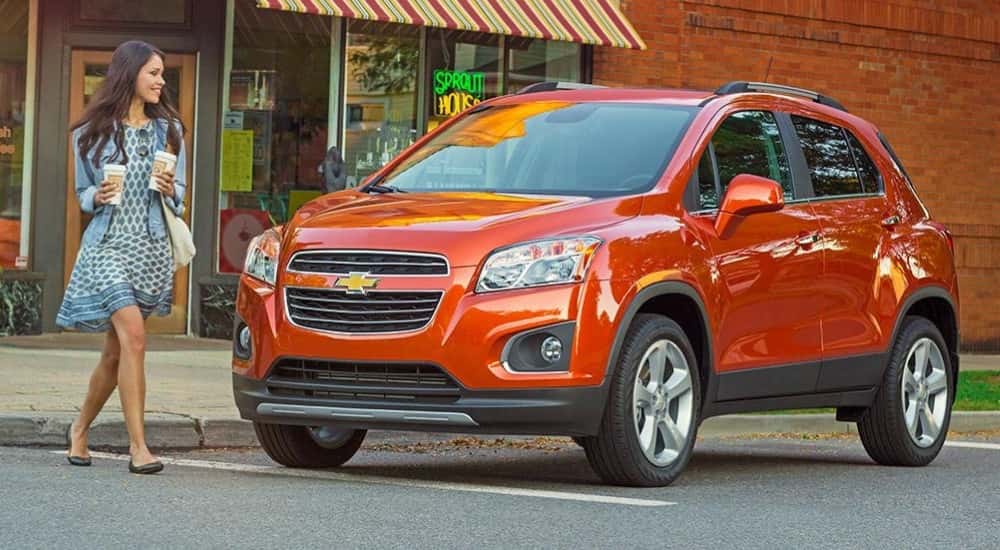
While the Trax has certainly evolved over the years, the SUV’s powertrain has remained remarkably consistent between the first and second generations. The original version got things started with a 1.4-liter turbocharged engine that provided drivers with 138 hp to work with. That’s not a breathtaking number, but it suited the SUV’s subcompact design and provided more than enough power for most applications.
First Generation Efficiency and Acceleration
The first-generation Trax was equipped with a six-speed automatic transmission, which, when combined with the turbocharged engine, provided ample low-end power and competitive fuel economy. Take the 2017 Trax, for example, which logged an EPA-estimated 25 MPG in the city and 33 MPG on the highway, for a combined rating of 28 MPG This may be a little underwhelming in terms of acceleration, with a zero-to-60-mph time that fell slightly below the segment average at 9.3 seconds.
Chevy gave the Trax a last hurrah in 2022, with the final first-gen model receiving an updated version of the 1.4-liter turbocharged engine. The brand swapped out the previous engine’s port-fuel injection system with a new direct injection design, which increased horsepower by 12% and torque by as much as 20%.
With 155 hp to its name, the Trax was able to shave 0.4 seconds off of its zero-to-60-mph time, which makes the 2022 model the version to seek out if you’re the type of driver that prioritizes performance. It does cost the crossover a dip in fuel economy, but that’s a small price to pay for the pleasure of injecting a little extra fun into your daily commute.
How Does the Second Generation Compare?
That brings us to the second-generation Trax, which was designed with a smaller engine that features fewer cylinders. This might seem like a downgrade, but the Trax only lost a single pony to most first-generation models with an output of 137 hp. This can largely be attributed to the turbocharged 1.2-liter inline-three engine, which is responsible for shaving nearly half a second off the Trax’s zero-to-60-mph time. That might not sound like a huge improvement, but when you factor in the second-gen Trax’s larger size, it’ll definitely make a difference when getting up to highway speed on I-35W on your daily commute through Fort Worth.
A smaller engine brings some obvious advantages in terms of efficiency, with the Trax now boasting a rating of 30 MPG combined. The newer version did lose the ability to be optioned as an all-wheel drive model, but it does retain the same six-speed automatic transmission that represents a marked improvement on the often-unimpressive continuously variable transmissions (CVTs) featured in many of the market’s current compact offerings.
Infotainment and Safety Tech
Connectivity Features
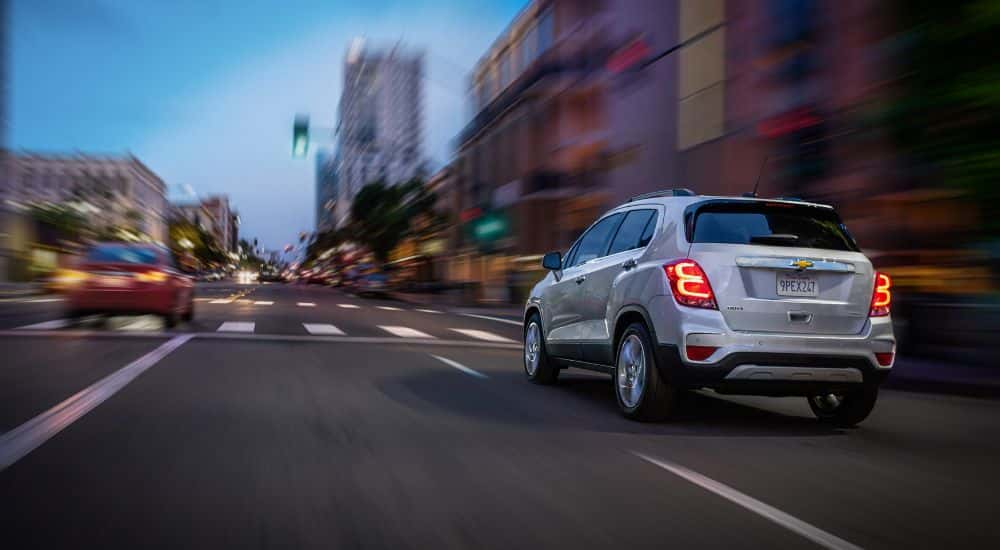
Despite its low starting price, the Trax incorporates many of the modern safety and infotainment features that now represent a significant factor in the car-buying process. The first-generation Trax features a seven-inch touchscreen infotainment system that offers a quick response time and plenty of functionality, including wireless smartphone integration thanks to the addition of Apple CarPlay and Android Auto.
These features give drivers the ability to tap the full power of their smartphone to provide turn-by-turn GPS navigation and access a wide range of handy apps, while a standard Wi-Fi hotspot ensures you don’t burn through all your data while you do so. It’s a well-rounded package as far as infotainment tech is concerned, though the seven-inch display was starting to look a little dated by the time the first-gen Trax ended its run in 2022.
The second-generation model only increases the standard display by one inch, but most trims come equipped with a significantly improved 11-inch infotainment screen that provides ample room to navigate through various features, menus, and settings. The larger display is complemented by an eight-inch digital gauge cluster that goes a long way towards modernizing the dashboard.
First Generation Safety Features
While the lack of infotainment tech dates the interior of the original Trax, it’s the standard safety tech that really marks one of the most significant differences between the two generations. The 2020 Trax might have earned a strong five-star safety rating from the National Highway Traffic Safety Administration (NHTSA), but its safety credentials were already beginning to look a little dated when compared to some of the newer models arriving on the scene.
The crossover offered plenty of modern advanced driver-assistance systems (ADAS), including forward-collision warning, blind-spot monitoring, and rear parking sensors. However, many of these features could only be accessed by adding the optional Driver Confidence package to the upper LT trim.
The Chevy Safety Assist Suite Expands for the Second Generation
Fortunately, Chevy has significantly expanded the scope and functionality of its Chevy Safety Assist driver-assistance suite in recent years. The system is now one of the more comprehensive offerings on the market, including a long list of standard features such as forward collision mitigation with automatic emergency braking, a lane-keeping system with lane departure warnings, and automatic high-beam headlights that prevent drivers from having to make constant adjustments when driving at night.
The Trax also adds a number of available safety features that are sure to help drivers gain some priceless peace of mind when they’re behind the wheel, from blind-spot warning with rear cross-traffic warning to an adaptive cruise control system that significantly ups the convenience factor as you cruise through Fort Worth.
Find a Great Used Chevy Trax With Us Today
The Trax has only continued to improve as it cruises through its second generation, with Chevy making some important updates that have kept the subcompact at the top of its game. The new 1RS and 2RS trims represent two new options for style-conscious drivers, enhancing the SUV’s curb appeal with features such as 18-inch alloy wheels and a gloss-black exterior trim, exclusive front and rear fascias, and a heated, flat-bottom steering wheel that lends the Trax a performance-inspired feel.
The Trax returns largely unchanged for the 2026 model year, although there is one notable highlight to mention: the SUV can now run on flex fuel, which improves engine output while reducing emissions. Chevy’s commitment to continual improvement has served the Trax very well over the years, and this new generation demonstrates this.
Whether you’re shopping for a used first-gen Trax or want to experience the latest in automotive design behind the wheel of the second-generation model, you’ll always find what you’re looking for when you shop our extensive online inventory that covers the entire country. Explore our online inventory today and find the ideal pre-owned Trax from the comfort of home.


0 comment(s) so far on Tracking the Evolution of the Chevy Trax’s First and Second Generations